-33%

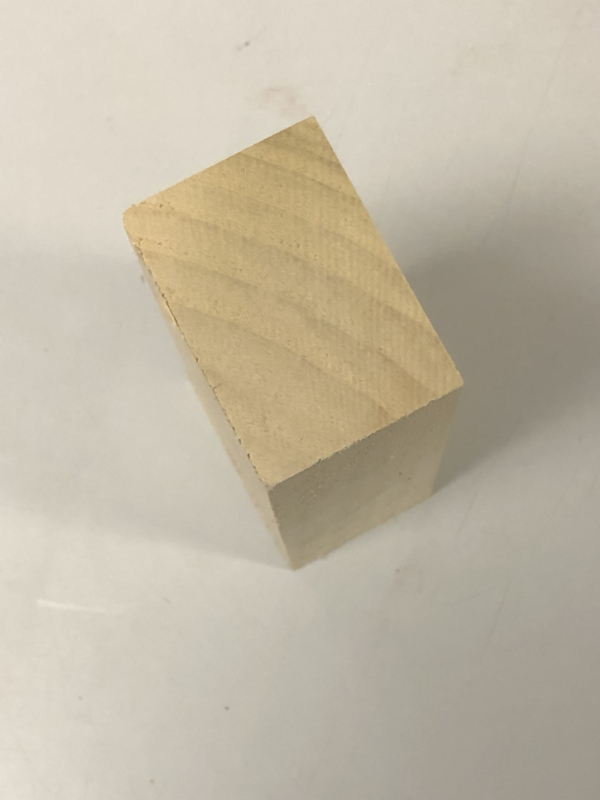
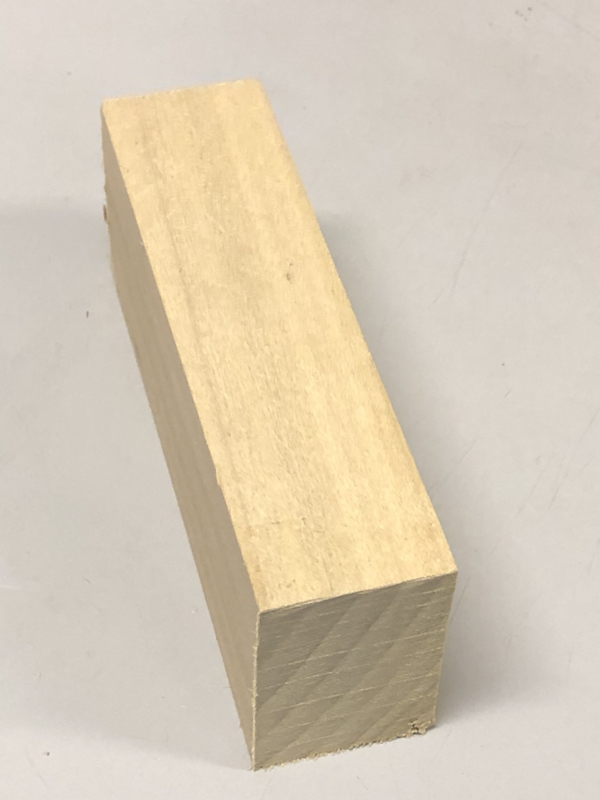
Honoki/Magnolia (Yellow Poplar), -Straight - L
Honoki (TULIPWOOD / YELLOW POPLAR)
Also known as American tulipwood, Magnolia, tulipwood, and Yellow Poplar.
This wood species from Magnolia obovata (synonym M. hypoleuca), known as the Japanese bigleaf magnolia, is called “Tulip” because the tulip tree bears very beautoful tulip-like flowers, and the leaves also have something of a tulip shape.
A yellow-white hardwood species. Somewhat soft and very stable. In wider boards, a green core may sometimes occur, which turns brown when exposed to light. The wood is sometimes also referred to as poplar, but botanically it is not related to poplar at all.
Tulipwood is easy to work with and can be finished very smoothly. That is why it is regularly used in traditional kitchen furniture/cabinets that are painted with an opaque finish. It is especially suitable for panel doors. Because it is so stable and dimensionally consistent, it is also sometimes used for billiard tables.
Japanese tulipwood (Honoki) is used for traditional Japanese handles, often in combination with a buffalo horn bolster. (Honoki wood should not be confused with Hinoki wood, which comes from the Japanese cypress (Chamaecyparis obtusa) and is widely used for cutting boards.) American and Japanese tulipwood are similar in color and stability, but American tulipwood sometimes has a slightly more green-yellow hue.
- straight grain
- With this wood, it is possible to make one or two handles to your own preference.
- Natural wood, not stabilized, not colored, without sapwood.
- The wood species offered here are well dried.
- 125 x 45 x 35 mm
PLEASE NOTE: The block supplied may differ from the photo. Dimensions may vary by a few millimeters.
Honoki is often used for Japanese kitchen knife handles because it combines a set of properties that are ideal for this purpose:
1. Lightweight
Honoki is a relatively light wood. This keeps the knife agile and less tiring to use over longer periods. That fits well with Japanese knives, which are often designed for precision and control.
2. Very stable
The wood moves very little. This means it is less likely to warp, crack, shrink, or expand significantly. That is important for a handle, because the fit around the tang needs to remain neat and secure.
3. Easy to work with
Honoki is easy to saw, shape, and finish smoothly. This makes it ideal for traditional makers who want to produce a wa-handle quickly and accurately.
4. Fine and even grain
It usually has a calm, straight grain and little variation in hardness. This gives it a clean, understated appearance and a pleasant feel in the hand.
5. Comfortable in use
Compared with harder, denser woods, honoki often feels warm and slightly soft. It offers good grip without feeling rough, which is pleasant in a kitchen environment.
6. Traditional availability in Japan
Besides its technical qualities, tradition also plays a major role. Honoki has long been a familiar and highly valued wood in Japan for a variety of applications, including knife saya and handles.
7. Well suited to the construction of Japanese knives
Traditional Japanese handles often use a simple, lightweight construction, sometimes with a horn ferrule. Honoki fits that style perfectly: functional, stable, light, and not overly decorative.
There is one nuance: honoki is not a very hard wood. For a handle, that is not necessarily a disadvantage, but it does mean it can dent more easily than woods such as ebony, walnut, or pakkawood.
So the main reason is this: honoki is popular because it is light, stable, comfortable in the hand, easy to work with, and traditionally appropriate. That makes it especially well suited for classic Japanese wa-handles.